
Blog
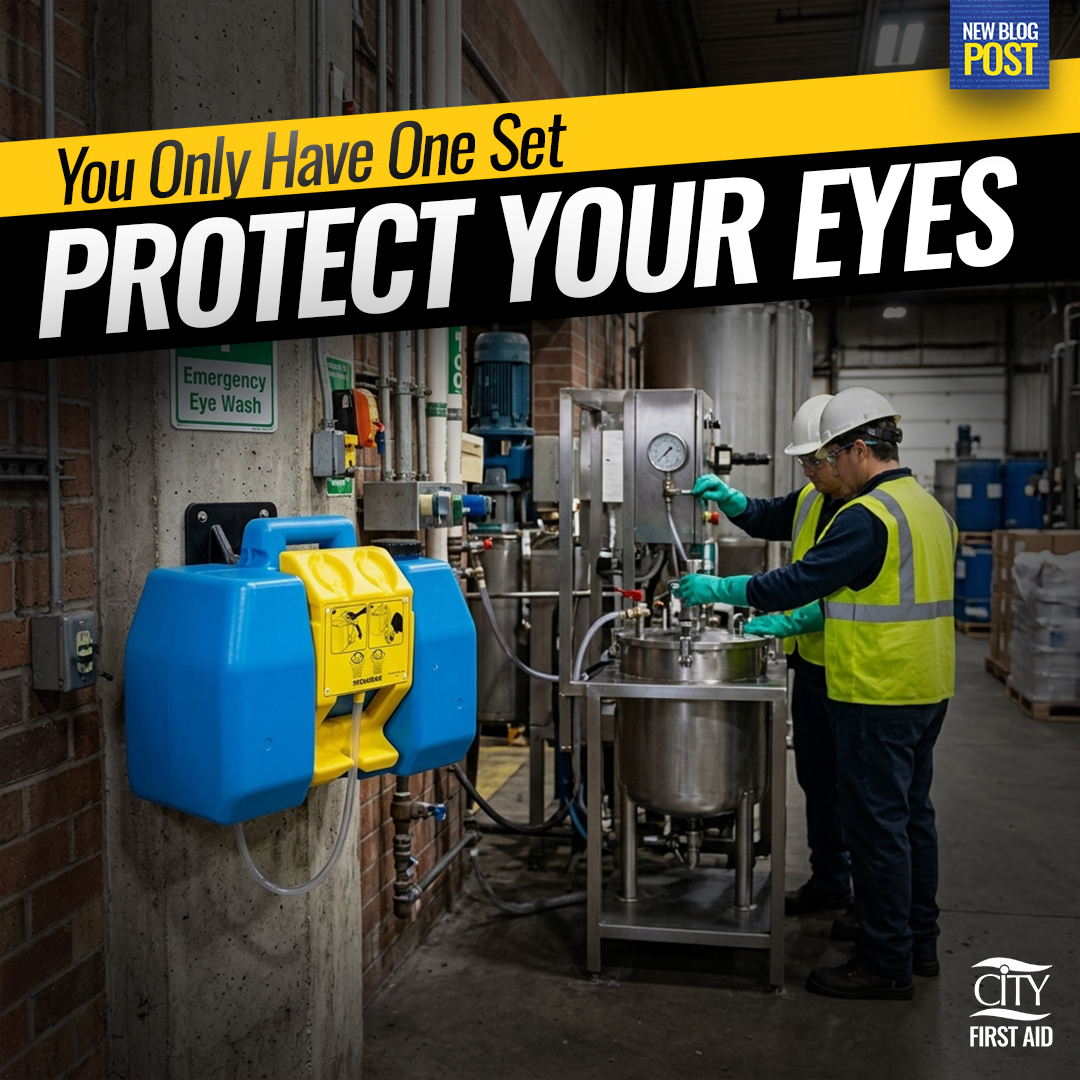
You Only Have One Set of Eyes: What Businesses Get Wrong About Eyewash Stations
An eyewash station is one of the few pieces of safety equipment a company hopes it never has to use, which is exactly why it so often gets forgotten. When a chemical splash, dust, or debris reaches someone’s eyes, the seconds that follow decide whether that person keeps their vision.
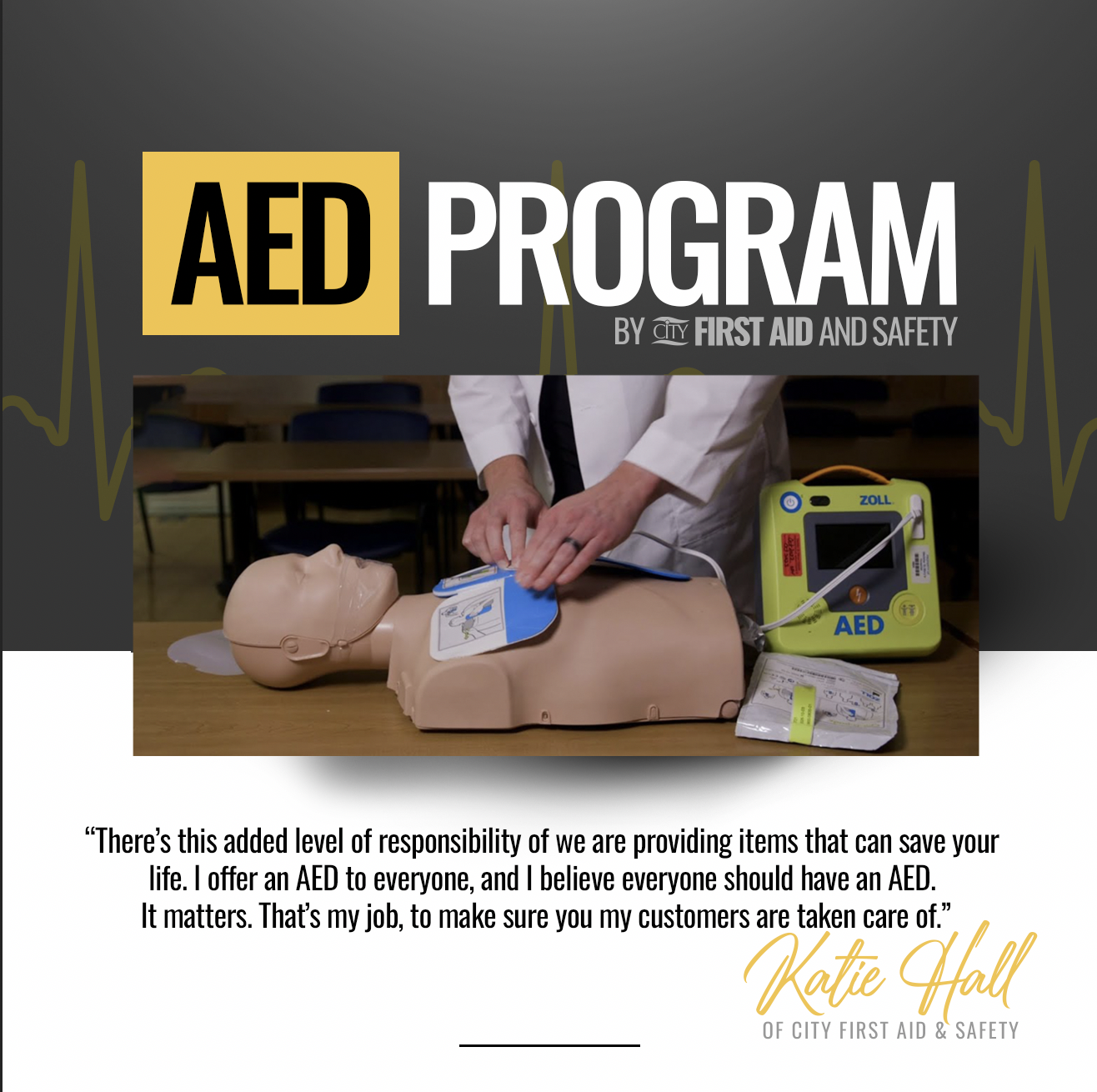
Prepared Before It Matters: Why First Aid Service Is a Responsibility
Most people do not think about what is inside a first aid kit until they need it. But when that moment comes, every stocked item, every checked expiration date, and every AED on the wall can matter.
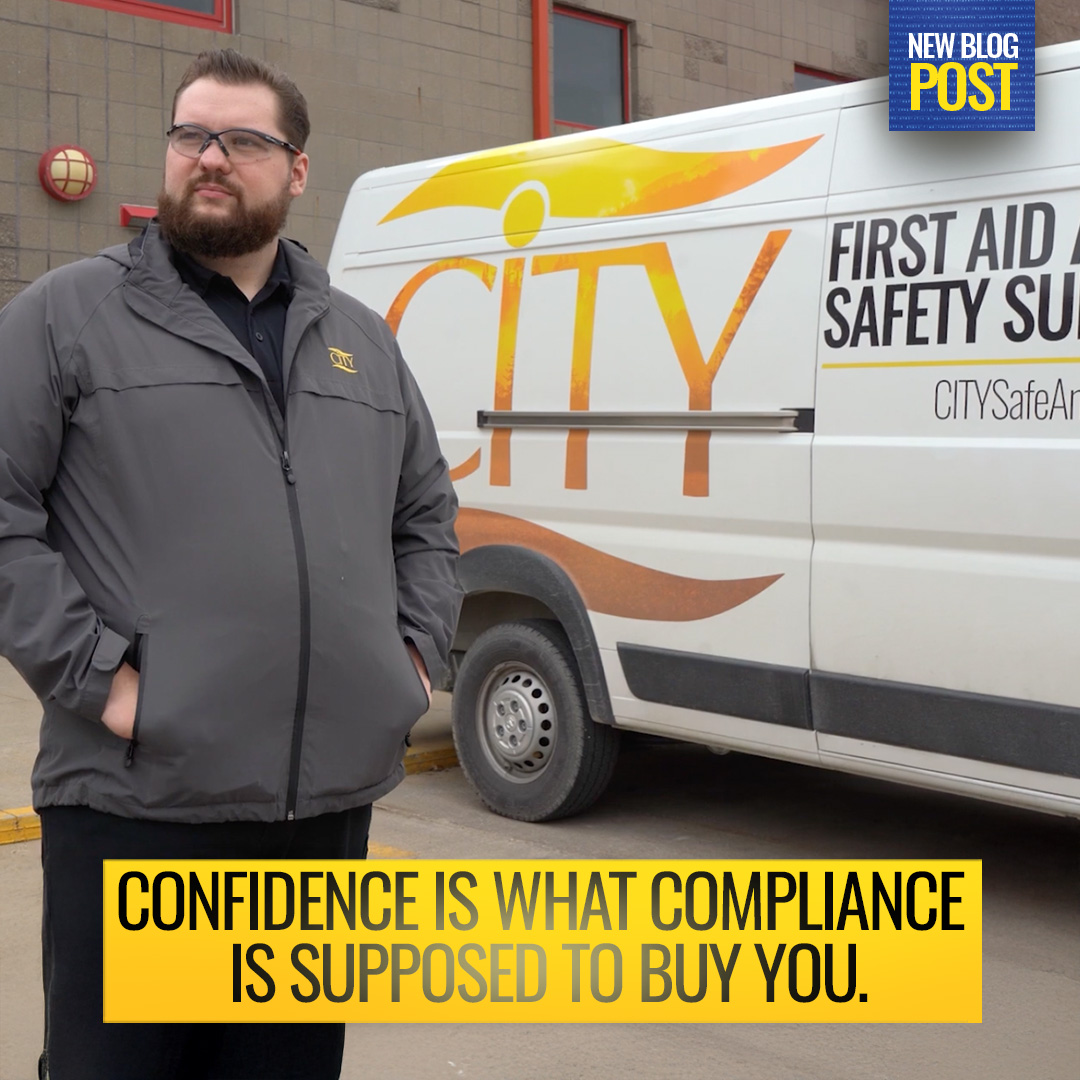
Is Your Workplace First Aid Kit Actually OSHA Compliant? What Employers Across the United States Need to Know
Walk over to the first aid cabinet in your breakroom and open it. If half the burn gel is gone, the bandages are the wrong size, and nobody can remember the last time it was restocked, you are not alone, and you may not be compliant.
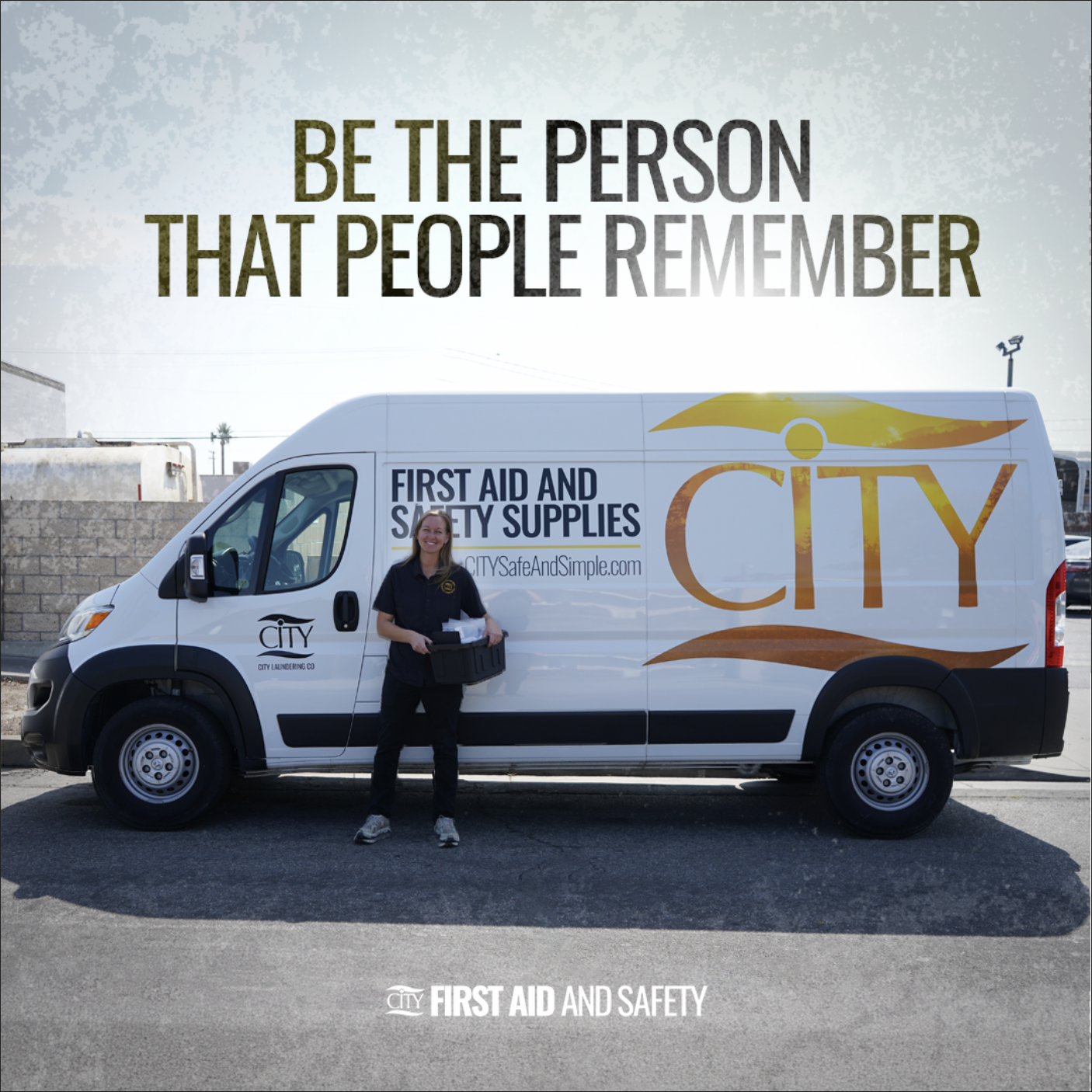
Staying Present: Katie Hall’s Approach to First Aid Service
It is easy to walk into a customer’s building, refill a cabinet, check a box, and move on. Katie Hall, Service Leader of CITY First Aid, believes the best service starts when you slow down, pay attention, and notice what others might miss.
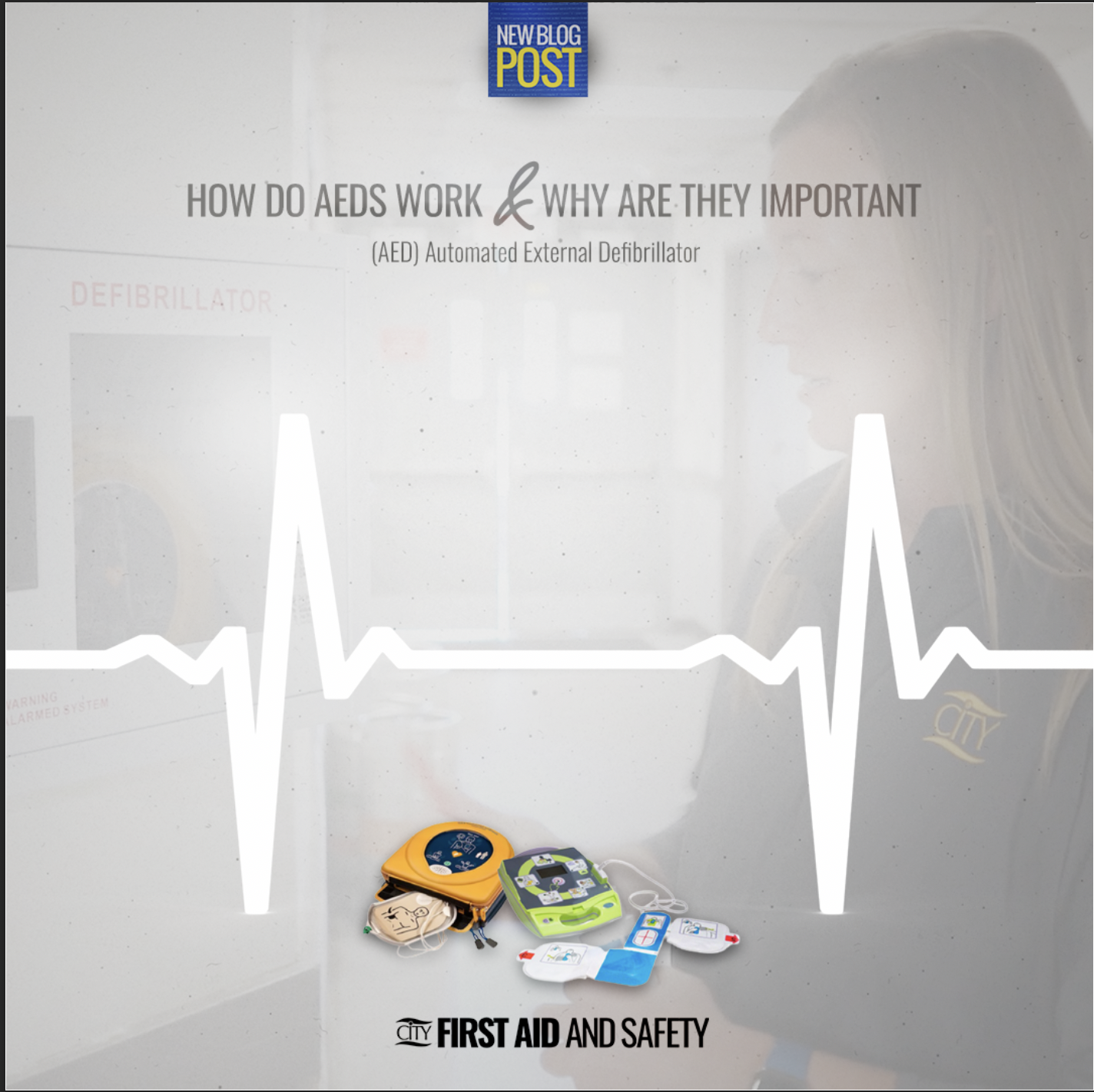
How Do AEDs Work and Why Are They Important?
An Automated External Defibrillator (AED) is designed to give everyday people a chance to save a life before emergency responders arrive. In workplaces, schools, gyms, and public facilities, AEDs have become one of the most important pieces of safety equipment a business can invest in.
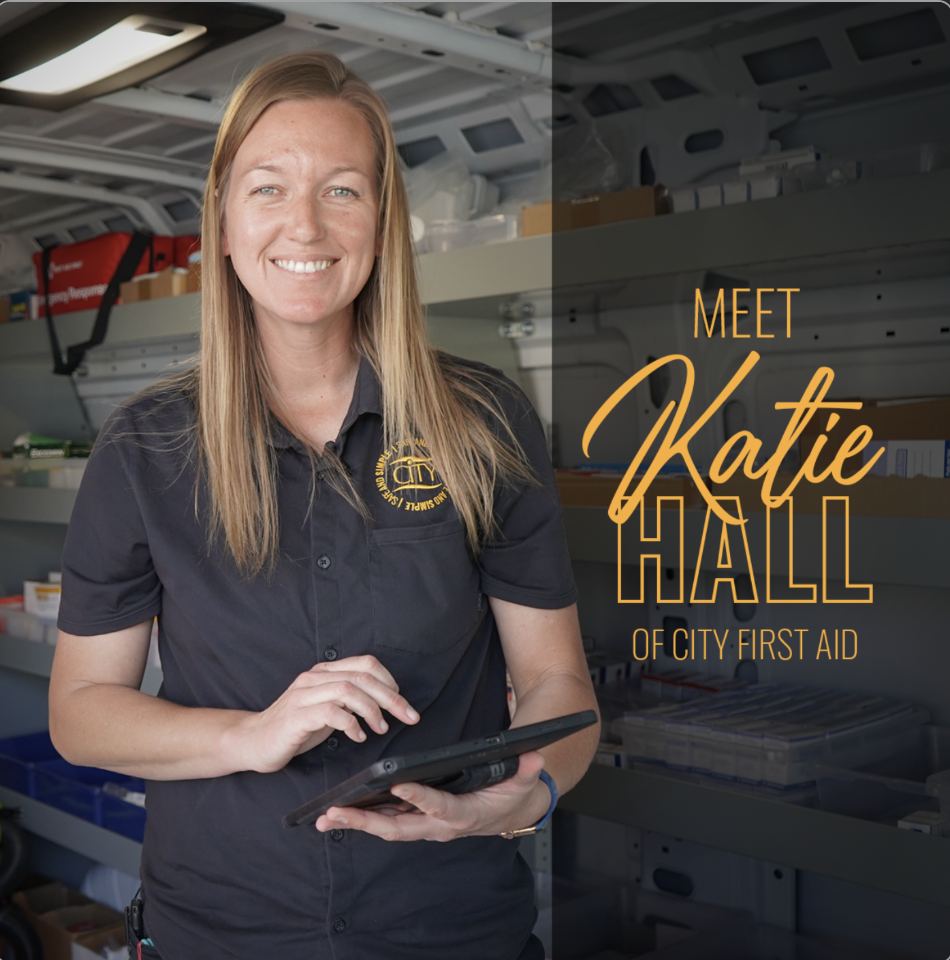
Meet Katie Hall: Service Leader of CITY First Aid & Safety
Today, Katie helps lead CITY First Aid’s growing presence in California, building relationships with customers while helping shape what excellent service looks like as the division continues expanding.

Beyond the First Aid Kit: How CITY First Aid Builds Safer Workplaces
A first aid kit can be fully stocked, but if employees do not know what is inside or where to find what they need, the kit is not doing everything it could. The same is true for eyewash stations and AEDs.
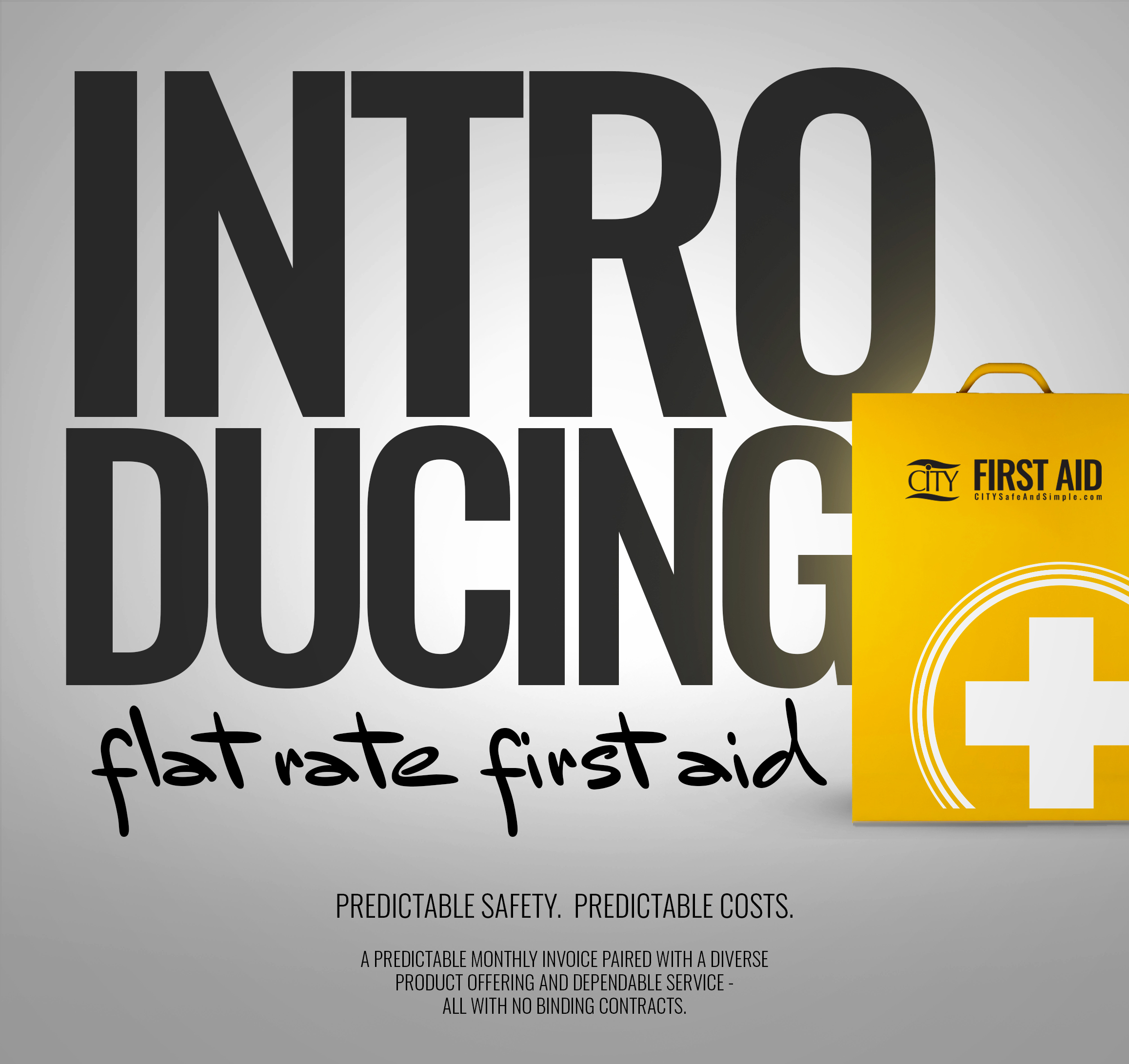
Introducing CITY’s Flat-Rate First Aid Program
No first aid kit prevents every incident—but when something happens, having a maintained cabinet and a consistent process removes one more variable from a stressful situation.
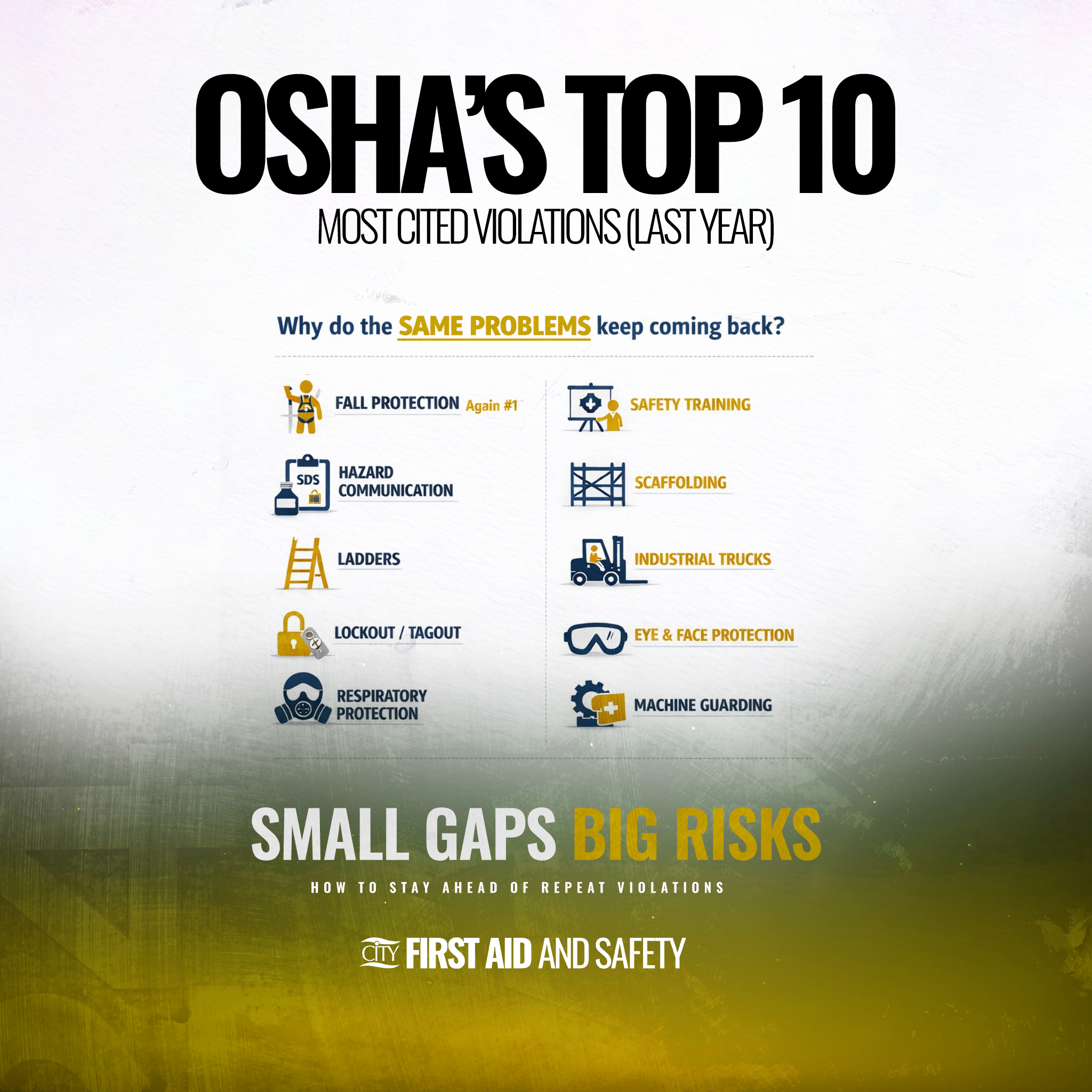
OSHA’s Top 10 Most-Cited Violations: Why the Same Gaps Keep Costing Companies
OSHA’s most recent data reinforces this point. In fiscal year 2025, the same familiar standards once again topped the list of citations. Fall Protection led the list for the fifteenth straight year.

OSHA vs. ANSI: Understanding the Rules That Keep Workplaces Safe
Understand the difference between OSHA and ANSI, and why both matter for workplace safety. CITY’s managed first aid program keeps your business compliant, prepared, and worry-free.